
In most of our workshops, participants speak different languages. Some are new to the Netherlands, others have grown up here, and some are still finding their place in between. Dutch, Arabic, Turkish, Farsi, English, Ukrainian or no shared language at all. The room often sounds like an orchestra of languages. At first, it can feel like a challenge: How do we explain the activity, the tools, or the idea of “free expression”?
But very quickly, we remember something simple: art speaks before language does.
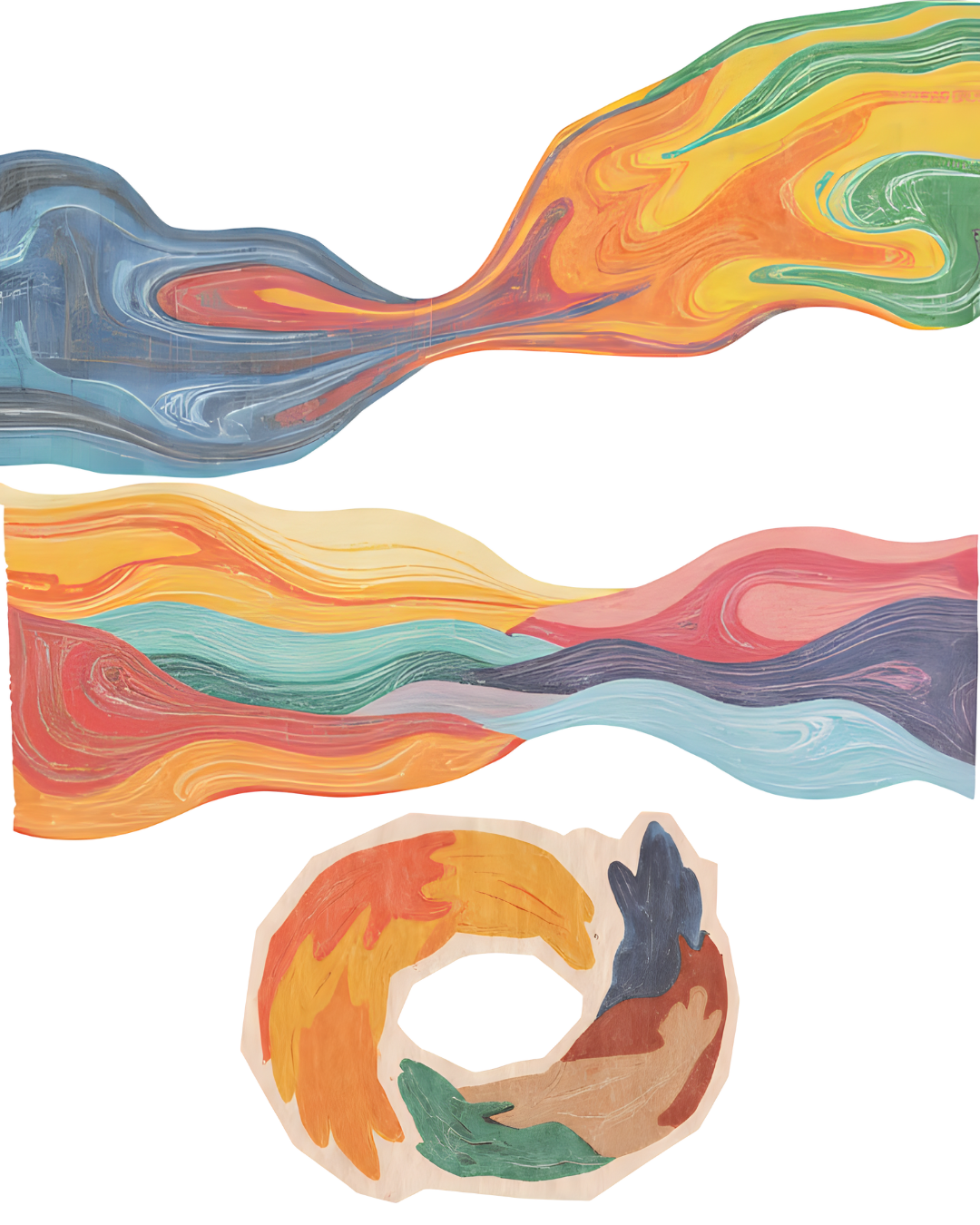
When participants start mixing paint, shaping clay, or cutting colored paper, the conversation flows. A gesture, a smile, a curious glance at what someone else is making; these form a new kind of vocabulary. Colours and hands begin forming sentences of their own: a conversation of movement begins. We’ve seen children translate emotions without ever opening their mouths. A blue line becomes calm. A bold red circle means excitement. Someone uses tiny dots to tell a story that no translation app could ever catch. What’s most beautiful is how these non-verbal exchanges create connections faster than any icebreaker. A child who just arrived in the Netherlands might not understand a single Dutch word, yet they’ll feel at home because someone next to them nods and follows their pattern. That shared moment says: I see you.
In a world that often treats language as the main gateway to belonging, art subtly challenges that idea. It reminds us that true connection begins with presence, not vocabulary.
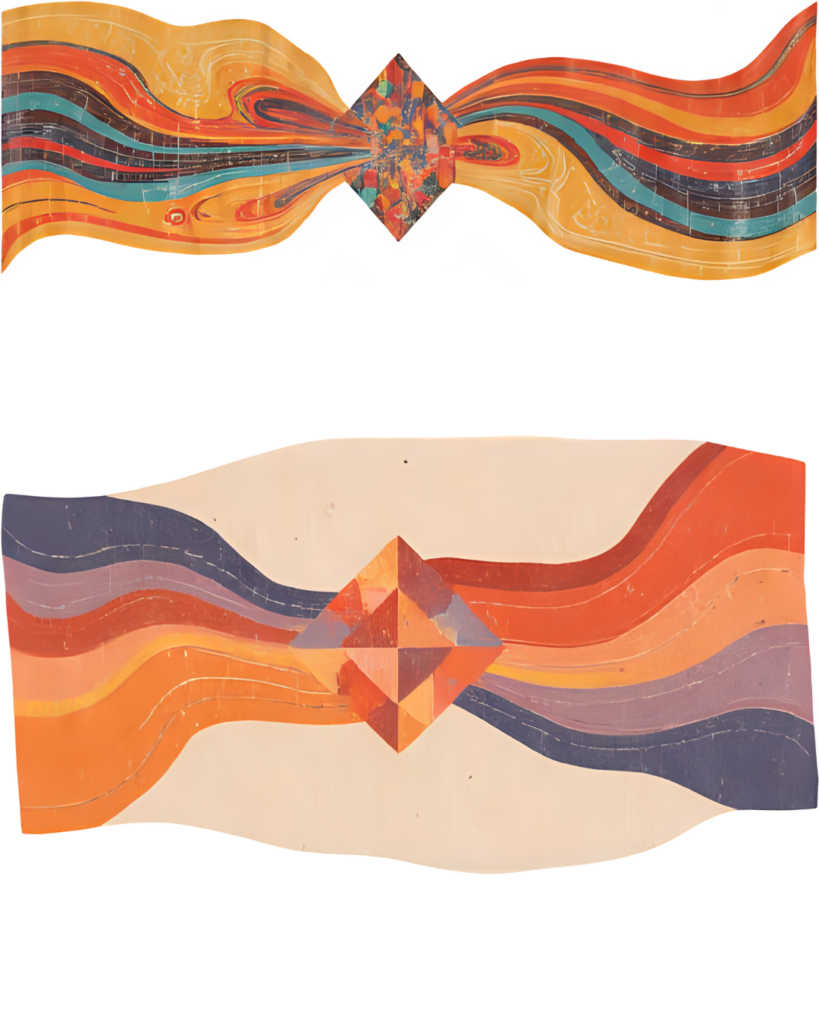
When Language Rests, Creativity Begins
It’s easy to forget how much of our daily communication depends on words, instructions, rules and expectations. But during our workshops, those boundaries become transparent. Someone starts experimenting with color, and another participant follows. A spontaneous collaboration begins, guided not by speech but by rhythm and response.
We’ve seen adults surprised by how naturally they can “speak” through materials again. For many, it’s the first time in years they’ve created something without overthinking it. Art becomes a safe space to make mistakes, to improvise, to explore what can’t easily be said. Children, on the other hand, remind us that imagination doesn’t need translation. They point, laugh, and build on each other’s ideas with complete freedom. Sometimes they invent whole stories using colors and gestures, and though the language is unspoken, the meaning is shared.
That’s why, in our workshops, we focus less on perfect explanations and more on creating an atmosphere of trust and curiosity. Every workshop becomes a reminder that communication is much broader than language as we know it. The materials do the talking. The space itself becomes a translator. Meaning reveals itself in movement, color, rhythm, and presence. When people create together, they build a kind of understanding that doesn’t need translation; one that’s unique, emotional, immediate, and real.
When the session ends, we often have a table full of diverse colors, textures, and stories that don’t need subtitles. And that’s the best kind of communication, one that’s felt in the heart rather than processed in the mind. . That’s what we try to nurture at Art is Home: a space where creativity becomes its own universal language, and where everyone, regardless of where they come from or what words they know, can simply belong. With art, everyone is home.
Leave a Reply